
Hot weather can make student life and everyday routines more difficult. From sitting through lectures in a stuffy classroom to trying to sleep in a hot hostel room, even simple tasks can become exhausting when temperatures rise.
For students and young adults living in hostels, shared apartments or single rooms, staying comfortable can be especially challenging. Air conditioning may not be available, electricity supply can be unreliable, and spending extra money on cooling or daily essentials may not fit the budget.
The answer is not always to buy more appliances or stay indoors all day. A few practical adjustments to your routine, room, hydration habits and spending can help you cope better with hot weather.
Here are seven practical ways to manage the heat while keeping up with school, work and everyday life.
1. Make Your Room More Comfortable Without Spending Too Much

Your room can feel much hotter when sunlight enters directly through the windows or the building retains heat throughout the day. This can make resting, studying and sleeping uncomfortable, particularly in rooms with limited ventilation.
Before spending money on cooling equipment, try a few simple changes:
- Close curtains or blinds when direct sunlight enters your room.
- Open windows when the outdoor air is cooler than the air inside, provided it is safe to do so.
- Switch off lights, chargers and electrical appliances you are not using.
- Wear lightweight, breathable clothing while studying or resting.
- Take a cool shower or use a damp cloth to help cool your skin.
If you use a fan, remember that it may not be enough to protect you during extreme heat. Follow local heat-health advice, and do not rely on a fan alone if the room becomes dangerously hot.
If your room regularly feels like an oven, these Practical Ways to Make your Room more Comfortable can help you explore additional options for improving airflow and managing indoor heat.
2. Plan Your Day Around the Hottest Hours

Hot weather can make walking to lectures, running errands or travelling across town more tiring than usual. Activities that feel manageable in the morning may become much harder when the sun is strongest.
Where your schedule allows, try to arrange outdoor activities for cooler periods of the day.
For example:
- Run errands early in the morning or later in the evening.
- Walk in shaded areas where possible.
- Carry water when travelling to lectures, work or other appointments.
- Take breaks in a cooler place if you begin to feel overheated.
- Reduce strenuous exercise during the hottest hours.
If you have a long day on campus, consider where you can rest between classes rather than spending every break outdoors. A shaded area or a well-ventilated indoor space may offer some relief.
You may not be able to choose when every activity happens, especially when you have lectures, work shifts or deadlines. The goal is to reduce unnecessary exposure to intense heat where you can.
3. Stay Hydrated Throughout the Day
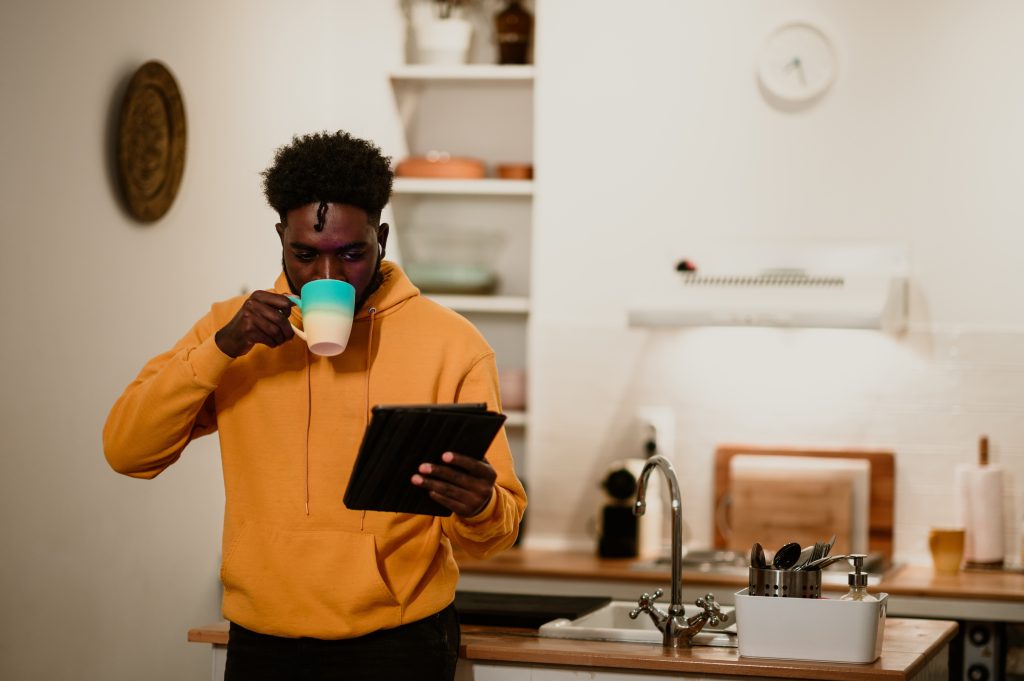
When you are busy attending classes, studying, working or socialising, it is easy to forget to drink enough water. Hot weather makes this habit particularly important because your body loses fluids through sweating.
Instead of waiting until you feel very thirsty, make drinking water part of your routine.
Try these habits:
- Carry a reusable water bottle when leaving home.
- Refill it whenever you have access to safe drinking water.
- Drink water regularly throughout the day, especially when you have been active or sweating.
- Drink water with meals and after exercise.
- Pay attention to how you feel, particularly if you have spent time outdoors.
Water is usually a practical everyday choice for hydration. Avoid relying heavily on energy drinks, sugary drinks or large amounts of caffeine to get through a hot day.
Watch for symptoms such as headaches, dizziness, unusual tiredness, muscle cramps or nausea. These can have different causes, but they may indicate that the heat is affecting you. Move to a cooler place and seek medical advice if symptoms persist or worsen.
4. Eat Well and Shop With the Heat in Mind

Hot weather can affect your appetite, cooking routine and food storage. If you live alone or share a kitchen with other students, planning meals ahead can help you manage your time and spending.
You do not need an expensive meal plan to eat regularly. Start with the food you already have and build a simple shopping list around your budget.
Consider keeping essentials such as:
- Rice, beans and other foods you can use across several meals.
- Fruits and vegetables that fit your budget.
- Easy-to-prepare meals for days when cooking feels uncomfortable.
- Drinking water and other essentials you use regularly.
Where possible, prepare meals during cooler parts of the day. Keep perishable food stored safely, and take extra care with food that has been left out in hot conditions. If electricity goes off, keep refrigerator and freezer doors closed and follow food-safety guidance when deciding whether food is still safe to eat. You can find more advice in FoodSafety.gov’s guide to keeping food safe during an emergency.
If you’re living abroad and have a family member studying or working in Nigeria, you can check grocery options through the Planettalk’s website. Available retailers include SPAR, Justrite, Market Square, Grand Square, Prince Ebeano Supermarket, Jendol Superstores, Hypercity Supermarket, Grocery Bazaar, Olmart Stores and many more. The Planettalk website is accessible worldwide, so you can check available grocery options for your loved ones from wherever you live.
For more ideas on planning food, electricity and other household essentials during hot weather, see our Guide to Preparing your Family for Hot Weather.
5. Prepare for Electricity Outages

When electricity goes off during hot weather, a room that was already uncomfortable can become harder to tolerate. Fans may stop working, charging devices becomes difficult, and keeping food safely refrigerated can become a concern.
You may not be able to control the power supply, but you can prepare for interruptions.
A few useful steps include:
- Charge your phone and other essential devices when electricity is available.
- Keep drinking water accessible.
- Identify a cooler place you can go to if your room becomes dangerously hot.
- Keep important contacts and essential supplies easy to reach.
- Avoid using generators or fuel-burning equipment indoors or in enclosed spaces because of the risk of carbon monoxide poisoning.
- Keep refrigerator and freezer doors closed during outages to help preserve the temperature.
If you’re living abroad and have a family member studying or working in Nigeria, you can visit the Planettalk website to pay for their Electricity bill from where ever you are. For an eligible payment, you’ll need the required account or meter details. Availability depends on the destination and provider.
If you live in a hostel or shared apartment, find out what arrangements are available during prolonged outages. Knowing where you can safely spend time or who to contact can make it easier to respond when the heat becomes difficult to manage.
Do not stay in a dangerously hot room simply because you have prepared for the outage. If you cannot cool down and begin feeling unwell, move somewhere cooler and seek help when necessary.
6. Recognise When the Heat Is Affecting Your Health

Feeling sweaty after walking in the sun is not the same as experiencing a heat-related illness. However, it is important to recognise when ordinary discomfort may be becoming something more serious.
Heat exhaustion can cause symptoms such as:
- Heavy sweating.
- Headache or dizziness.
- Weakness or unusual tiredness.
- Muscle cramps.
- Nausea.
- Feeling faint.
If you experience these symptoms, stop what you are doing and move to a cooler place. Loosen unnecessary clothing, cool your skin with a damp cloth and sip water if you are fully alert and able to swallow safely. Seek medical advice if symptoms persist or worsen.
Heatstroke is a medical emergency. Confusion, seizures, loss of consciousness or very hot skin accompanied by severe symptoms require urgent medical attention. Call for emergency help and begin cooling the person with cool water or wet cloths while help is on the way. Do not give fluids to someone who is confused or unconscious.
Do not assume you can sleep off severe symptoms or continue with your day after taking a short break.
For a more detailed explanation of warning signs and when to seek help, read our Guide to Protecting Yourself and your Family when the Heat becomes too much.
7. Protect Your Sleep, Study Time and Daily Routine

Poor sleep can make it harder to concentrate during lectures, prepare for examinations or complete work. When nights are hot, getting enough rest may require a few adjustments.
Try to:
- Keep your sleeping area as cool as reasonably possible.
- Use lightweight bedding and breathable sleepwear.
- Reduce direct sunlight entering your room during the day.
- Avoid strenuous activities immediately before bed when you are already overheated.
- Keep drinking water nearby if it is safe and practical to do so.
- Study during the cooler parts of the day when your schedule allows.
If your room remains uncomfortable, consider whether you can study for a while in a cooler, safe place, such as a suitable campus study area or library. This can also give you a break from a hot room, particularly during the afternoon.
Remember that productivity is not the only priority during extreme heat. If you feel unwell, take a break rather than forcing yourself to continue studying or working.
Final Thoughts
Surviving hot weather in Nigeria is not just about finding ways to cool down. It also means planning your day, drinking water regularly, managing food and household expenses, preparing for electricity outages and knowing when your body needs attention.
You may not be able to change your living conditions or avoid every hot day, but small, practical adjustments can help you manage your routine more safely.
If you are following the wider conversation about changing weather patterns and the potential effects of El Niño, read our Guide to El Niño 2026–2027 and what Nigerians at Home and Abroad need to know for more context on supporting family back home.
If you’re living abroad and and supporting your loved ones in Nigeria, you can also pay for their Electricity bills from wherever you are or buy groceries for them through the PlanetTalk website or download the Planettalk app.
Most importantly, pay attention to how you feel. Rest when necessary, seek a cooler place when conditions become difficult, and get medical help if you experience signs of serious heat-related illness.
Frequently Asked Questions
How can I keep my hostel room cool without air conditioning?
Reduce direct sunlight by closing curtains or blinds during the hottest hours, and open windows when outdoor air is cooler and it is safe to do so. Use lightweight bedding, wear breathable clothing and take a cool shower when needed. If your room becomes dangerously hot, move to a cooler, safe location.
What should I carry when going out in hot weather?
A reusable water bottle, lightweight clothing, a hat or cap for sun protection and any essential medication you regularly use can be helpful. Plan your route around shaded areas where possible, and take breaks if you begin to feel overheated.
Is it safe to exercise outdoors when the weather is very hot?
Strenuous exercise can increase the risk of heat-related illness. If possible, exercise during cooler hours, reduce the intensity of your activity, drink water regularly and take breaks in shaded or cooler areas. Stop if you feel dizzy, weak, nauseated or unusually unwell.
What should I do if I feel dizzy or weak in the heat?
Stop your activity and move to a cooler place. Cool your skin with a damp cloth and sip water if you are fully alert and can swallow safely. Seek medical advice if symptoms persist or worsen. Confusion, seizures or loss of consciousness require urgent medical attention.
How can I manage food and other essentials on a student budget during hot weather?
Plan meals around your budget, make a shopping list, use ingredients across several meals and avoid unnecessary trips to the shops. Store food safely, especially during electricity outages, and prioritise essentials rather than buying cooling products you may not need.
Sources
- World Health Organization: Heat and Health
- World Health Organization: Heatwaves — How to Stay Cool
- CDC: Heat-related Illnesses
- FoodSafety.gov: Food Safety During a Power Outage
- Tags:
- affordable ways to stay cool
- buying airtime for students in Nigeria
- buying groceries for family in Nigeria
- campus life in Nigeria
- dehydration prevention
- electricity supply during hot weather
- extreme heat in Nigeria
- extreme heat safety for young adults
- food safety during power outages
- food storage in hot weather
- heat exhaustion prevention
- heatstroke prevention
- heatwave safety for students
- heatwave survival tips
- hostel living in Nigeria
- hot weather in Nigeria
- hot weather on a budget
- hot weather safety tips
- hot weather tips for students
- how to cool a hostel room
- how to stay cool without air conditioning
- managing heat stress
- Nigeria weather conditions
- Nigerian students
- outdoor activities during extreme heat
- paying electricity bills from abroad
- PlanetTalk
- PlanetTalk airtime and data top-ups
- power outages in Nigeria
- preparing for extreme heat
- sending mobile data to Nigeria
- signs of heat exhaustion
- sleeping comfortably in hot weather
- staying cool in hot weather
- staying cool in student hostels
- staying hydrated in hot weather
- student grocery essentials
- student health and wellbeing
- studying during hot weather
- supporting family back home
- supporting students from abroad
- surviving hot weather in Nigeria
- university students in Nigeria