
You get home after a long day, looking forward to finally relaxing. But the moment you step into your room, the heat hits you again. The bed feels warm, the air feels stuffy, and opening the window doesn’t seem to make much difference.
So you switch on the fan, drink some water and hope things get better.
If this sounds familiar, you’re not alone. When temperatures stay high, keeping your living space comfortable can become a challenge, especially if your room traps heat throughout the day.
With El Niño influencing global weather patterns, it’s worth paying attention to local weather forecasts and preparing for the conditions in your area. Its effects vary from one region to another, but knowing how to manage hot weather at home can make everyday life a little easier.
The good news? You don’t always need expensive equipment or major changes to make your room more comfortable. Sometimes, a few adjustments can help.
Here are some practical things you can try.
1. Keep the Sun Out Before Your Room Heats Up
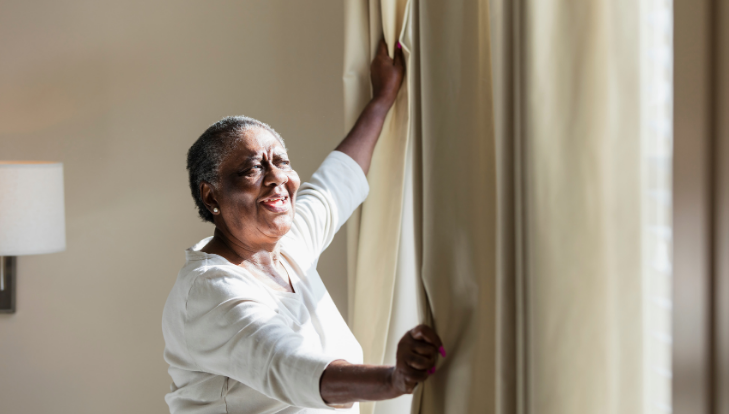
Have you noticed that some rooms feel much hotter than others, even when they’re in the same building?
Your windows could be part of the reason.
When sunlight comes directly through your windows, it can heat up the room, making it uncomfortable long after the sun has moved away.
One simple thing you can do is close your curtains or blinds during the hottest parts of the day, especially on windows that receive direct sunlight. If you have external shades or shutters, use them too.
If your curtains are thin and let in a lot of sunlight, consider using thicker curtains or adding blinds that block more light.
The idea is to stop as much heat as possible from entering your room in the first place, rather than waiting until the room is already hot before trying to cool it down.
2. Know When to Open Your Windows

Opening a window seems like the obvious thing to do when a room gets hot. But depending on the temperature outside, it can sometimes make things worse.
If the air outside is cooler than the air inside, opening your windows can help release the heat and bring in cooler air. This often works better in the evening or early morning.
However, if it’s hotter outside than inside, leaving your windows open during the hottest part of the day can let more heat in.
Pay attention to how the temperature changes throughout the day. If it’s safe to do so, open windows when the outdoor air is cooler and close them again before the heat builds up.
If you have windows on opposite sides of your room or apartment, opening both when conditions are suitable can help air move through the space.
Of course, this depends on your building, outdoor conditions and whether it’s safe to leave your windows open. If the air outside is polluted or the area is noisy, you may need another way to improve ventilation.
3. Make Better Use of Your Fan

A fan can make a hot room feel more comfortable, but where and how you use it matters.
If your room feels stuffy, try positioning the fan to improve airflow rather than simply pointing it at the same spot all day.
When the air outside is cooler, you may be able to use a fan near an open window to help move cooler air into the room or push warmer air out, depending on its position.
You can also use a fan to circulate air within the room, particularly when you’re sitting or resting.
However, a fan doesn’t actually lower the room’s temperature, and it may not protect you from heat-related illness when temperatures become extremely high. Follow local health guidance and seek a cooler space if your room becomes dangerously hot. WHO advises that electric fans should not be relied on in temperatures above 40°C, when they can heat the body rather than provide effective cooling.
If you have access to air conditioning, using it to cool your room can help during extreme heat. Keep doors and windows closed while it’s running so the cooled air doesn’t escape unnecessarily.
4. Be Careful About the Heat You Create Indoors

Sometimes, the things making your room hotter are already inside it.
Cooking, running certain electrical appliances and leaving unnecessary lights on can add heat to your living space. This may not seem like much on an ordinary day, but when the weather is already hot, every extra source of heat can make a difference.
Here are a few changes worth trying:
- Switch off lights and electrical equipment when you’re not using them.
- Where practical, prepare meals during cooler parts of the day.
- Use appliances that generate a lot of heat for shorter periods when possible.
- Avoid spending more time than necessary in particularly hot areas, such as a kitchen without good ventilation.
- Keep your sleeping area as free from unnecessary heat sources as possible.
You don’t have to change your entire routine. Start with the things that are easiest to adjust and see whether your room becomes more comfortable.
5. Make Your Room More Comfortable at Night

Sometimes, the hardest part of hot weather isn’t getting through the afternoon. It’s trying to sleep when your room still feels like an oven hours later.
When your room has been absorbing heat all day, it may take time for it to cool down.
If the air outside becomes cooler in the evening, open your windows where it’s safe to do so and allow the room to ventilate.
You can also try a few simple changes to your sleeping setup:
- Use lightweight, breathable bedsheets.
- Choose loose-fitting sleepwear.
- Take a cool shower before bed.
- Keep your bedding light rather than piling on extra blankets.
- Move to the coolest room in your home if your bedroom becomes too uncomfortable.
If you live in a building that stays hot throughout the night, try to identify which room is coolest and make that your resting space during particularly hot periods.
And if the heat is making you feel unwell, don’t assume you simply need to sleep it off. Dizziness, unusual weakness, nausea or a headache can be signs of heat-related illness. Confusion, seizures or loss of consciousness may indicate heatstroke and require emergency medical attention.
The World Health Organization’s guide to staying cool during heatwaves has more advice on managing extreme heat at home.
6. Think About Your Electricity and Household Essentials

Keeping your room comfortable during hot weather can mean relying more on fans or air conditioning, where available. It’s also a good time to think about your household essentials and make sure you’re prepared if the hot weather continues.
If you’re living abroad and have family in Nigeria, PlanetTalk makes it easier to take care of some everyday needs from a distance. You can visit the Planettalk website to pay for their Electricity bill from where ever you are
You can also buy groceries for your loved ones from abroad through the PlanetTalk website, which is accessible worldwide. Participating retailers listed may include SPAR, Justrite, Market Square, Prince Ebeano Supermarket, Jendol Superstores, Grand Square, Olmart Stores, Hypercity Supermarket, Grocery Bazaar, among others.
When your family needs to stay connected, you can also send airtime and data top-ups through Planettalk website. You can also download the planettalk app to support your loved ones. The app is available for download in the UK, USA, Canada, France and Ireland.
These options can help you manage some household expenses and everyday needs back home even when you can’t be there in person.
7. Know When Your Room Is Too Hot to Stay In
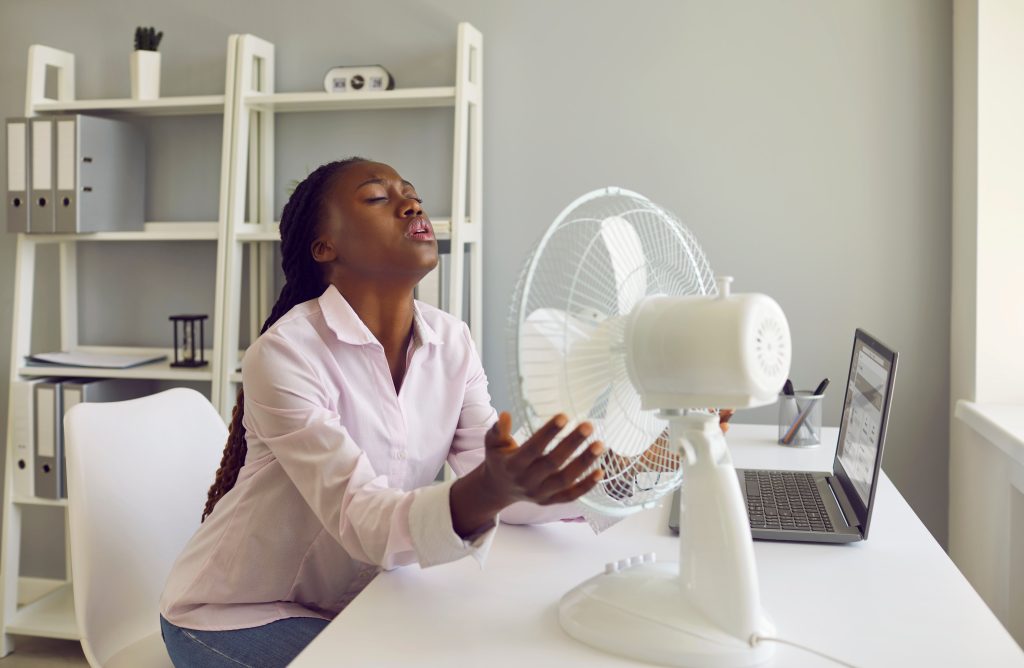
There’s a difference between a room that’s uncomfortable and one that’s becoming unsafe.
If your living space remains extremely hot despite your efforts, consider spending some time somewhere cooler, such as an air-conditioned public building, if one is available and accessible to you.
This is particularly important for young children, older adults and people with certain health conditions, who may be more vulnerable to the effects of heat.
Check on family members who live alone, especially if they’re older or have health conditions that make extreme heat more difficult to manage.
If someone develops symptoms of heat exhaustion, help them move somewhere cooler and begin cooling their body. If they show signs of heatstroke, such as confusion, seizures or loss of consciousness, seek emergency medical help immediately and continue cooling them while waiting for help. Do not give fluids to someone who is confused or unconscious.
You can find more advice in the World Health Organization’s guidance on heat and health.
For more context on the wider climate outlook and practical household preparation, read El Niño 2026–2027: What Nigerians at Home and Abroad Need to Know.
Final Thoughts
When your room feels like an oven, it’s easy to think the only solution is to buy an air conditioner or wait for the weather to change.
But before making major changes, look at what you can do with the space you already have. Blocking direct sunlight, ventilating at the right time, reducing indoor heat and adjusting your sleeping setup can all help make your room more comfortable.
And if the heat persists, pay attention to how you’re feeling. Your comfort matters, but your health matters even more.
Whether you’re preparing your own home or helping relatives in another country, planning ahead can make hot weather easier to manage.
You may not be able to change the weather, but you can take steps to make home a little more comfortable.
Frequently Asked Questions
How can I cool down my room without air conditioning?
Keep direct sunlight out during the hottest parts of the day, open windows when the outdoor air is cooler than the indoor air, improve airflow where possible and use lightweight bedding. If the room becomes dangerously hot, find a cooler place to spend time.
Should I keep my windows open during a heatwave?
Not necessarily. If the air outside is hotter than the air inside, keeping windows closed and blocking direct sunlight may help. Open them when the outdoor air becomes cooler, provided it’s safe to do so.
Does a fan actually cool a room?
A fan circulates air and can make you feel cooler, but it doesn’t lower the room’s temperature. In extreme heat, a fan may not provide enough protection, so follow local health advice and seek a cooler space when necessary.
How can I sleep better when my room is hot?
Try lightweight bedding, loose sleepwear, a cool shower before bed and ventilation when outdoor temperatures drop. If another room in your home is cooler, consider sleeping there during particularly hot periods.
How can I help family members in Nigeria prepare for hot weather if I live abroad?
You can check in on them, help them plan for their household needs and use PlanetTalk to pay eligible electricity or water bills, buy groceries through available retailers and top up their airtime or data, depending on the destination and provider.
Sources
- World Meteorological Organization — El Niño and Extreme Weather Risks Into 2027
- World Health Organization — Heatwaves: How to Stay Cool
- World Health Organization — Heat and Health
- Tags:
- affordable home cooling tips
- blocking sunlight from windows
- buying groceries for family in Nigeria from abroad
- cooling a room naturally
- cooling a room on a budget
- curtains for heat reduction
- electric fan safety
- electricity supply during hot weather
- extreme heat safety
- heat exhaustion prevention
- heat-related illness prevention
- heatwave home preparation
- home comfort during extreme heat
- hot bedroom solutions
- hot room
- hot weather in Nigeria
- hot weather sleeping tips
- hot weather tips for Nigerian homes
- how to cool a room without air conditioning
- how to improve ventilation at home
- how to make a hot room more comfortable
- how to sleep comfortably in hot weather
- improving airflow in a room
- indoor heat reduction
- keeping a room cool in hot weather
- keeping your bedroom cool
- keeping your home comfortable during a heatwave
- managing indoor temperatures
- PlanetTalk utility bill payments
- power outages in Nigeria
- preparing your home for hot weather
- reducing heat indoors
- sleeping in a hot room
- staying cool without AC
- supporting family back home
- using a fan in hot weather
- ventilation tips for hot rooms
- ways to reduce indoor heat


4 Comments